ELECTRIC YELLOW LIONCOVE CICHLIDS
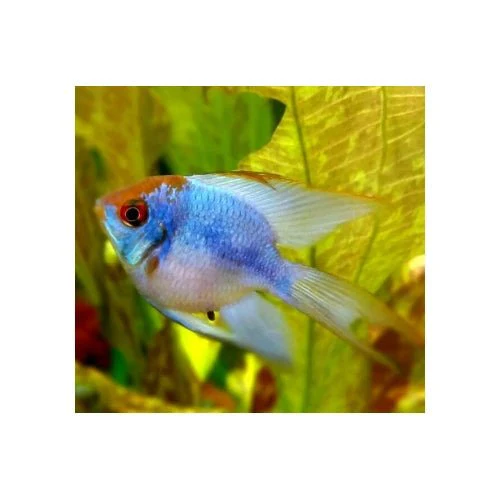
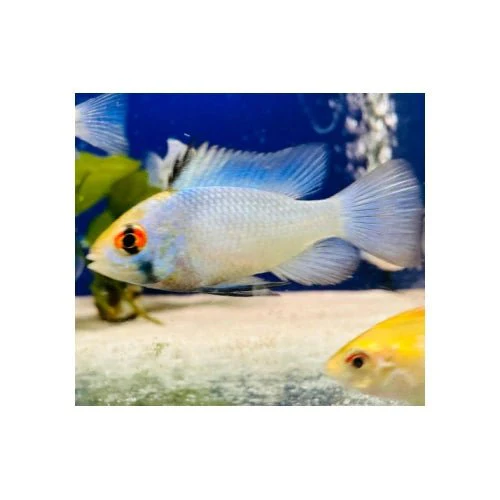
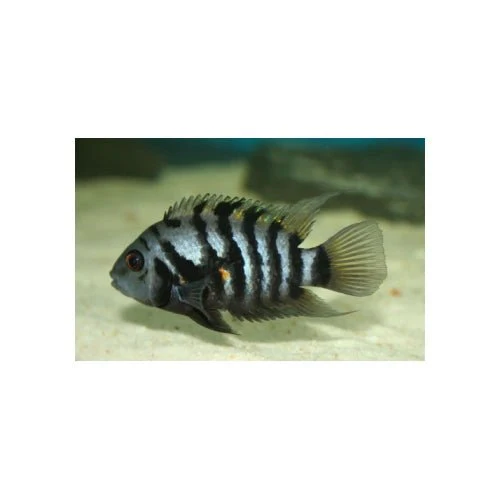
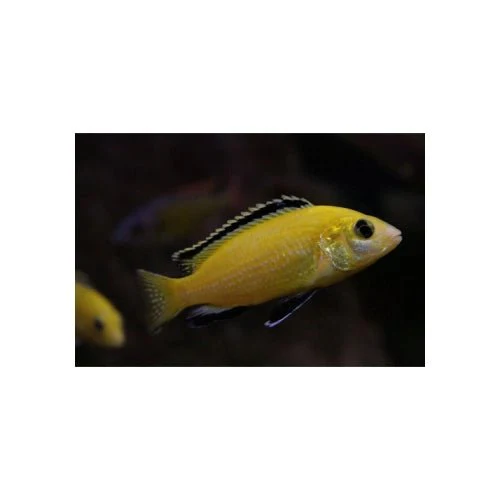
The Electric Yellow Lioncove Cichlid is a striking freshwater fish, renowned for its vibrant yellow coloration and distinctive black-tipped fins. Originating from the Lion's Cove area of Lake Malawi in East Africa, this variant of Labidochromis caeruleus is a favorite among aquarists for its vivid appearance and relatively peaceful temperament.
Features
-
Scientific Name: Labidochromis caeruleus
-
Common Names: Electric Yellow Cichlid, Yellow Lab, Yellow Prince
-
Origin: Lion's Cove, Lake Malawi, East Africa
-
Size: Up to 12.5 cm (5 inches)
-
Lifespan: 6–10 years with proper care
-
Temperament: Relatively peaceful; can be territorial, especially during breeding
-
Diet: Omnivorous; enjoys a varied diet of high-quality pellets, flakes, and occasional live or frozen foods like brine shrimp and bloodworms
-
Water Parameters:
-
Temperature: 23–26°C (73–79°F)
-
pH Level: 7.8–8.9
-
Hardness: 10–20 dGH
-
-
Minimum Tank Size: 114 liters (30 gallons); larger tanks recommended for community setups
Why Choose Electric Yellow Lioncove Cichlids?
-
Vibrant Appearance: Their bright yellow bodies with contrasting black-tipped fins make them a standout addition to any aquarium.
-
Peaceful Nature: Less aggressive than many other African cichlids, making them suitable for community tanks with appropriate tank mates.
-
Hardy Species: Adaptable to various water conditions, ideal for aquarists seeking resilient fish.
-
Active Behavior: Known for their lively and engaging movements, adding dynamism to the aquarium.
Tank Requirements
-
Substrate: Fine sand or smooth gravel to mimic their natural habitat.
-
Decor: Incorporate rocks and caves to provide hiding spots and establish territories.
-
Filtration: Efficient filtration system to maintain water quality and handle bioload.
-
Lighting: Moderate lighting to enhance their vibrant coloration.
-
Tank Cover: A secure lid is recommended, as they can be occasional jumpers.
Compatible Tank Mates
Electric Yellow Lioncove Cichlids can coexist with other semi-aggressive African cichlids of similar size and temperament. Suitable companions include:
-
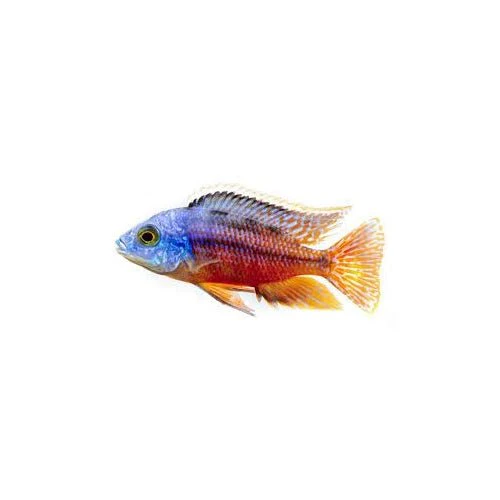
Peacock Cichlids
-
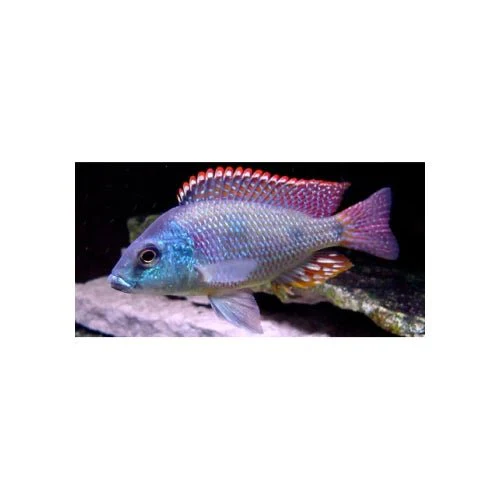
Yellow Tail Acei
-
Rusty Cichlids
-
Zebra Cichlids
Avoid housing with overly aggressive or much larger cichlids to prevent stress and potential conflicts.
Feeding Recommendations
-
Staple Diet: High-quality cichlid pellets and flakes formulated for omnivorous fish.
-
Supplementary Foods: Live or frozen foods such as brine shrimp, daphnia, and bloodworms to enhance coloration and vitality.
-
Vegetables: Blanched spinach, zucchini, and peas can be offered as occasional treats.
-
Feeding Frequency: Feed 2–3 times daily in small amounts to prevent overfeeding and maintain water quality.
FAQs
Can Electric Yellow Lioncove Cichlids live in a community tank?
Yes, they can coexist with other semi-aggressive African cichlids of similar size and temperament.
Do they require a heater?
Maintaining a stable temperature between 23–26°C (73–79°F) is essential; a heater is recommended to achieve this.
Are they suitable for beginners?
Absolutely! Their hardy nature and adaptability make them ideal for novice aquarists.
How can I enhance their coloration?
A varied diet rich in high-quality foods, maintaining pristine water conditions, and providing a stress-free environment can help accentuate their vibrant colors.
The Electric Yellow Lioncove Cichlid is a striking freshwater fish, renowned for its vibrant yellow coloration and distinctive black-tipped fins. Originating from the Lion's Cove area of Lake Malawi in East Africa, this variant of Labidochromis caeruleus is a favorite among aquarists for its vivid appearance and relatively peaceful temperament.
Features
-
Scientific Name: Labidochromis caeruleus
-
Common Names: Electric Yellow Cichlid, Yellow Lab, Yellow Prince
-
Origin: Lion's Cove, Lake Malawi, East Africa
-
Size: Up to 12.5 cm (5 inches)
-
Lifespan: 6–10 years with proper care
-
Temperament: Relatively peaceful; can be territorial, especially during breeding
-
Diet: Omnivorous; enjoys a varied diet of high-quality pellets, flakes, and occasional live or frozen foods like brine shrimp and bloodworms
-
Water Parameters:
-
Temperature: 23–26°C (73–79°F)
-
pH Level: 7.8–8.9
-
Hardness: 10–20 dGH
-
-
Minimum Tank Size: 114 liters (30 gallons); larger tanks recommended for community setups
Why Choose Electric Yellow Lioncove Cichlids?
-
Vibrant Appearance: Their bright yellow bodies with contrasting black-tipped fins make them a standout addition to any aquarium.
-
Peaceful Nature: Less aggressive than many other African cichlids, making them suitable for community tanks with appropriate tank mates.
-
Hardy Species: Adaptable to various water conditions, ideal for aquarists seeking resilient fish.
-
Active Behavior: Known for their lively and engaging movements, adding dynamism to the aquarium.
Tank Requirements
-
Substrate: Fine sand or smooth gravel to mimic their natural habitat.
-
Decor: Incorporate rocks and caves to provide hiding spots and establish territories.
-
Filtration: Efficient filtration system to maintain water quality and handle bioload.
-
Lighting: Moderate lighting to enhance their vibrant coloration.
-
Tank Cover: A secure lid is recommended, as they can be occasional jumpers.
Compatible Tank Mates
Electric Yellow Lioncove Cichlids can coexist with other semi-aggressive African cichlids of similar size and temperament. Suitable companions include:
-
Peacock Cichlids
-
Yellow Tail Acei
-
Rusty Cichlids
-
Zebra Cichlids
Avoid housing with overly aggressive or much larger cichlids to prevent stress and potential conflicts.
Feeding Recommendations
-
Staple Diet: High-quality cichlid pellets and flakes formulated for omnivorous fish.
-
Supplementary Foods: Live or frozen foods such as brine shrimp, daphnia, and bloodworms to enhance coloration and vitality.
-
Vegetables: Blanched spinach, zucchini, and peas can be offered as occasional treats.
-
Feeding Frequency: Feed 2–3 times daily in small amounts to prevent overfeeding and maintain water quality.
FAQs
Can Electric Yellow Lioncove Cichlids live in a community tank?
Yes, they can coexist with other semi-aggressive African cichlids of similar size and temperament.
Do they require a heater?
Maintaining a stable temperature between 23–26°C (73–79°F) is essential; a heater is recommended to achieve this.
Are they suitable for beginners?
Absolutely! Their hardy nature and adaptability make them ideal for novice aquarists.
How can I enhance their coloration?
A varied diet rich in high-quality foods, maintaining pristine water conditions, and providing a stress-free environment can help accentuate their vibrant colors.
Description
The Electric Yellow Lioncove Cichlid is a striking freshwater fish, renowned for its vibrant yellow coloration and distinctive black-tipped fins. Originating from the Lion's Cove area of Lake Malawi in East Africa, this variant of Labidochromis caeruleus is a favorite among aquarists for its vivid appearance and relatively peaceful temperament.
Features
-
Scientific Name: Labidochromis caeruleus
-
Common Names: Electric Yellow Cichlid, Yellow Lab, Yellow Prince
-
Origin: Lion's Cove, Lake Malawi, East Africa
-
Size: Up to 12.5 cm (5 inches)
-
Lifespan: 6–10 years with proper care
-
Temperament: Relatively peaceful; can be territorial, especially during breeding
-
Diet: Omnivorous; enjoys a varied diet of high-quality pellets, flakes, and occasional live or frozen foods like brine shrimp and bloodworms
-
Water Parameters:
-
Temperature: 23–26°C (73–79°F)
-
pH Level: 7.8–8.9
-
Hardness: 10–20 dGH
-
-
Minimum Tank Size: 114 liters (30 gallons); larger tanks recommended for community setups
Why Choose Electric Yellow Lioncove Cichlids?
-
Vibrant Appearance: Their bright yellow bodies with contrasting black-tipped fins make them a standout addition to any aquarium.
-
Peaceful Nature: Less aggressive than many other African cichlids, making them suitable for community tanks with appropriate tank mates.
-
Hardy Species: Adaptable to various water conditions, ideal for aquarists seeking resilient fish.
-
Active Behavior: Known for their lively and engaging movements, adding dynamism to the aquarium.
Tank Requirements
-
Substrate: Fine sand or smooth gravel to mimic their natural habitat.
-
Decor: Incorporate rocks and caves to provide hiding spots and establish territories.
-
Filtration: Efficient filtration system to maintain water quality and handle bioload.
-
Lighting: Moderate lighting to enhance their vibrant coloration.
-
Tank Cover: A secure lid is recommended, as they can be occasional jumpers.
Compatible Tank Mates
Electric Yellow Lioncove Cichlids can coexist with other semi-aggressive African cichlids of similar size and temperament. Suitable companions include:
-
Peacock Cichlids
-
Yellow Tail Acei
-
Rusty Cichlids
-
Zebra Cichlids
Avoid housing with overly aggressive or much larger cichlids to prevent stress and potential conflicts.
Feeding Recommendations
-
Staple Diet: High-quality cichlid pellets and flakes formulated for omnivorous fish.
-
Supplementary Foods: Live or frozen foods such as brine shrimp, daphnia, and bloodworms to enhance coloration and vitality.
-
Vegetables: Blanched spinach, zucchini, and peas can be offered as occasional treats.
-
Feeding Frequency: Feed 2–3 times daily in small amounts to prevent overfeeding and maintain water quality.
FAQs
Can Electric Yellow Lioncove Cichlids live in a community tank?
Yes, they can coexist with other semi-aggressive African cichlids of similar size and temperament.
Do they require a heater?
Maintaining a stable temperature between 23–26°C (73–79°F) is essential; a heater is recommended to achieve this.
Are they suitable for beginners?
Absolutely! Their hardy nature and adaptability make them ideal for novice aquarists.
How can I enhance their coloration?
A varied diet rich in high-quality foods, maintaining pristine water conditions, and providing a stress-free environment can help accentuate their vibrant colors.