Goldfish -Oranda Assorted Short Body
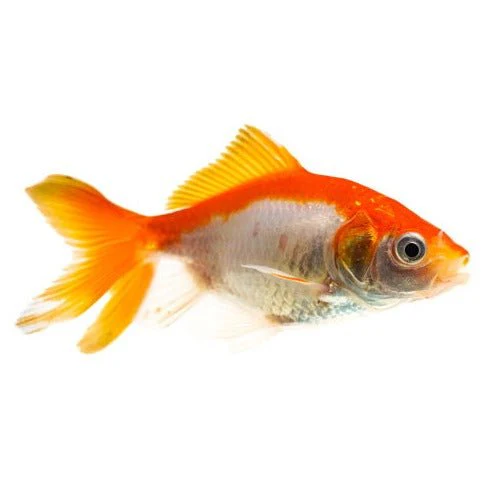
Oranda Goldfish Short Body – Elegant and Compact Beauty for Your Aquarium
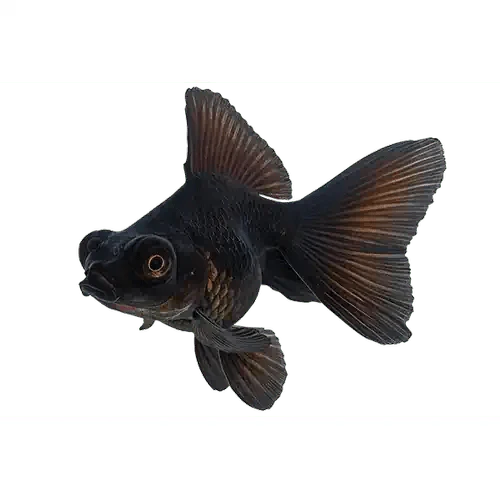
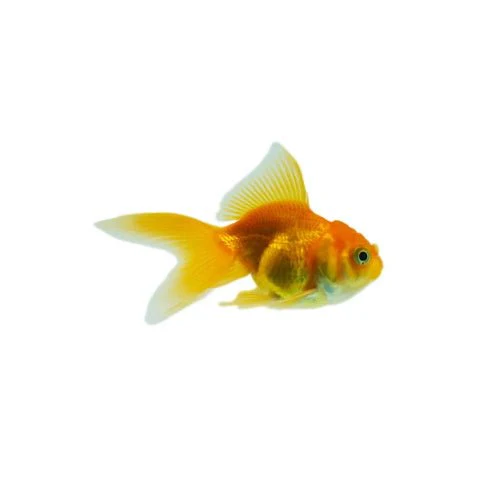
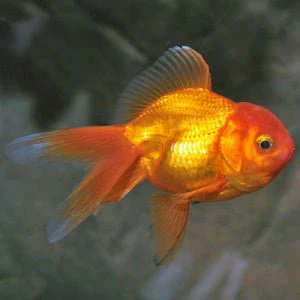
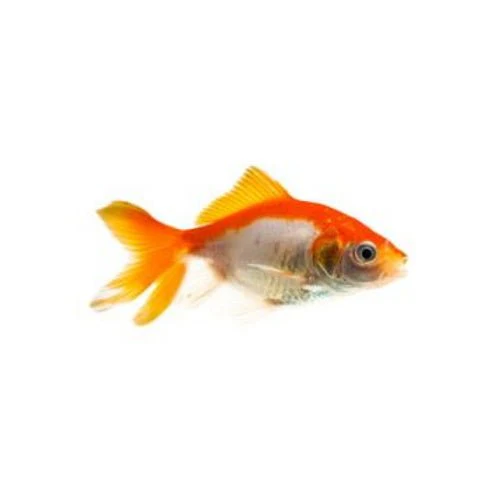
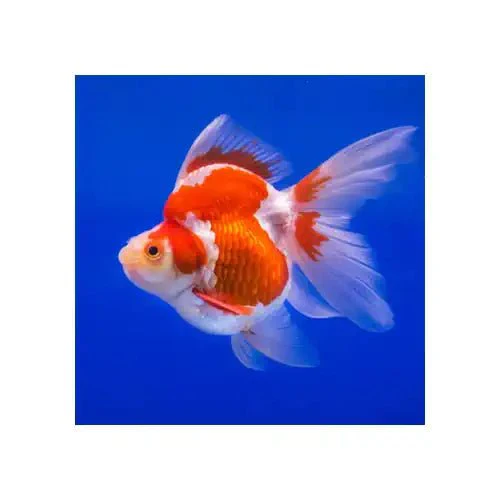
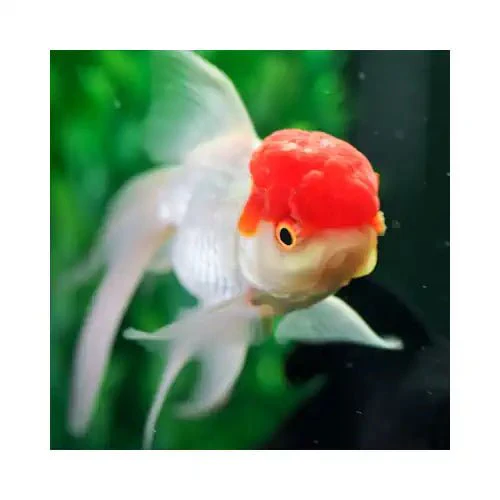
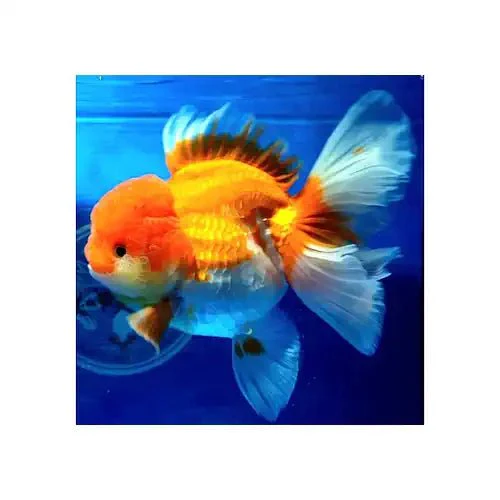
Known for its unique "wen," a fleshy protrusion on top of its head, and its graceful, flowing fins, the Oranda Goldfish is a compelling fancy goldfish type. The more compact, rounder body of the short-bodied varieties adds to their charming appearance. These goldfish, which come in a variety of hues such as red, white, calico, and panda patterns, add a lively touch to any aquarium.
NOTE: FISH SUPPLIED CAN BE OF ANY COLOR — MAY NOT ALWAYS BE SIMILAR IN THE PHOTO
Usually Supplied are: Tri Color Oranda, Panda Oranda, Calico Oranda all in short body
Features
-
Scientific Name: Carassius auratus
-
Common Name: Oranda Goldfish (Short Body)
-
Size: Up to 20–31 cm (8–12 inches)
-
Lifespan: 10–15 years with proper care
-
Temperament: Peaceful and social
-
Diet: Omnivorous; thrives on high-quality pellets, flakes, and occasional live or frozen foods
-
Water Parameters:
-
Temperature: 17–24°C (63–75°F)
-
pH Level: 6.0–8.0
-
Hardness: 5–19 DGH.
-
Why Choose Oranda Goldfish – Assorted Short Body?
-
Unique Appearance: Part of the fancy goldfish family, this variety is highly prized by collectors and hobbyists alike.
-
Variety of Colors: From solid hues to intricate patterns, there's an Oranda to match every aesthetic preference.
-
Peaceful Nature: Ideal for community tanks with other non-aggressive fish.
-
Interactive Behavior: Known to recognize their caregivers and exhibit playful behaviors.
Tank Requirements
-
Minimum Tank Size: 75 liters (20 gallons) for one Oranda; add 40 liters (10 gallons) for each additional fish.
-
Aquascape: Incorporate smooth decorations and ample open space to accommodate their swimming style.
-
Filtration: Efficient filtration is essential due to their high waste production.
-
Substrate: Fine gravel or sand to prevent injury to their delicate fins and wen.
Compatible Tank Mates
Oranda Goldfish are best housed with other fancy goldfish varieties that share similar care requirements and temperaments, such as:
-
Fantail Goldfish
-
Ryukin Goldfish.
-
Pearlscale Goldfish
Avoid housing with fast-swimming or fin-nipping species.
Feeding Recommendations
-
Staple Diet: High-quality goldfish pellets or flakes formulated for fancy goldfish.
-
Supplementary Foods: Blanched vegetables (e.g., peas, spinach) and occasional live or frozen foods like brine shrimp.
-
Feeding Frequency: 2–3 times daily in small portions to prevent overfeeding and maintain water quality.
Care Tips
-
Regular Maintenance: Perform weekly water changes of 25–30% to maintain optimal water quality.
-
Monitor Health: Regularly inspect for signs of wens overgrowth or infections.
-
Avoid Sharp Objects: Decorations should be smooth to prevent injury to their delicate fins and wen.
-
Temperature Stability: Maintain consistent water temperatures to prevent stress.
FAQs
Can Oranda Goldfish live in outdoor ponds?
Yes, but only in climates where temperatures remain within their preferred range. Ensure the pond is predator-proof and has adequate filtration.
Do they require a heater?
In cooler climates, a heater may be necessary to maintain stable temperatures within their comfort range.
Are they suitable for beginners?
Yes, with proper research and commitment to regular maintenance, they can be a rewarding choice for novice aquarists.
How can I enhance their coloration?
Providing a varied diet rich in carotenoids and maintaining optimal water quality can help bring out their vibrant colors.
Oranda Goldfish Short Body – Elegant and Compact Beauty for Your Aquarium
Known for its unique "wen," a fleshy protrusion on top of its head, and its graceful, flowing fins, the Oranda Goldfish is a compelling fancy goldfish type. The more compact, rounder body of the short-bodied varieties adds to their charming appearance. These goldfish, which come in a variety of hues such as red, white, calico, and panda patterns, add a lively touch to any aquarium.
NOTE: FISH SUPPLIED CAN BE OF ANY COLOR — MAY NOT ALWAYS BE SIMILAR IN THE PHOTO
Usually Supplied are: Tri Color Oranda, Panda Oranda, Calico Oranda all in short body
Features
-
Scientific Name: Carassius auratus
-
Common Name: Oranda Goldfish (Short Body)
-
Size: Up to 20–31 cm (8–12 inches)
-
Lifespan: 10–15 years with proper care
-
Temperament: Peaceful and social
-
Diet: Omnivorous; thrives on high-quality pellets, flakes, and occasional live or frozen foods
-
Water Parameters:
-
Temperature: 17–24°C (63–75°F)
-
pH Level: 6.0–8.0
-
Hardness: 5–19 DGH.
-
Why Choose Oranda Goldfish – Assorted Short Body?
-
Unique Appearance: Part of the fancy goldfish family, this variety is highly prized by collectors and hobbyists alike.
-
Variety of Colors: From solid hues to intricate patterns, there's an Oranda to match every aesthetic preference.
-
Peaceful Nature: Ideal for community tanks with other non-aggressive fish.
-
Interactive Behavior: Known to recognize their caregivers and exhibit playful behaviors.
Tank Requirements
-
Minimum Tank Size: 75 liters (20 gallons) for one Oranda; add 40 liters (10 gallons) for each additional fish.
-
Aquascape: Incorporate smooth decorations and ample open space to accommodate their swimming style.
-
Filtration: Efficient filtration is essential due to their high waste production.
-
Substrate: Fine gravel or sand to prevent injury to their delicate fins and wen.
Compatible Tank Mates
Oranda Goldfish are best housed with other fancy goldfish varieties that share similar care requirements and temperaments, such as:
-
Fantail Goldfish
-
Ryukin Goldfish.
-
Pearlscale Goldfish
Avoid housing with fast-swimming or fin-nipping species.
Feeding Recommendations
-
Staple Diet: High-quality goldfish pellets or flakes formulated for fancy goldfish.
-
Supplementary Foods: Blanched vegetables (e.g., peas, spinach) and occasional live or frozen foods like brine shrimp.
-
Feeding Frequency: 2–3 times daily in small portions to prevent overfeeding and maintain water quality.
Care Tips
-
Regular Maintenance: Perform weekly water changes of 25–30% to maintain optimal water quality.
-
Monitor Health: Regularly inspect for signs of wens overgrowth or infections.
-
Avoid Sharp Objects: Decorations should be smooth to prevent injury to their delicate fins and wen.
-
Temperature Stability: Maintain consistent water temperatures to prevent stress.
FAQs
Can Oranda Goldfish live in outdoor ponds?
Yes, but only in climates where temperatures remain within their preferred range. Ensure the pond is predator-proof and has adequate filtration.
Do they require a heater?
In cooler climates, a heater may be necessary to maintain stable temperatures within their comfort range.
Are they suitable for beginners?
Yes, with proper research and commitment to regular maintenance, they can be a rewarding choice for novice aquarists.
How can I enhance their coloration?
Providing a varied diet rich in carotenoids and maintaining optimal water quality can help bring out their vibrant colors.
Description
Oranda Goldfish Short Body – Elegant and Compact Beauty for Your Aquarium
Known for its unique "wen," a fleshy protrusion on top of its head, and its graceful, flowing fins, the Oranda Goldfish is a compelling fancy goldfish type. The more compact, rounder body of the short-bodied varieties adds to their charming appearance. These goldfish, which come in a variety of hues such as red, white, calico, and panda patterns, add a lively touch to any aquarium.
NOTE: FISH SUPPLIED CAN BE OF ANY COLOR — MAY NOT ALWAYS BE SIMILAR IN THE PHOTO
Usually Supplied are: Tri Color Oranda, Panda Oranda, Calico Oranda all in short body
Features
-
Scientific Name: Carassius auratus
-
Common Name: Oranda Goldfish (Short Body)
-
Size: Up to 20–31 cm (8–12 inches)
-
Lifespan: 10–15 years with proper care
-
Temperament: Peaceful and social
-
Diet: Omnivorous; thrives on high-quality pellets, flakes, and occasional live or frozen foods
-
Water Parameters:
-
Temperature: 17–24°C (63–75°F)
-
pH Level: 6.0–8.0
-
Hardness: 5–19 DGH.
-
Why Choose Oranda Goldfish – Assorted Short Body?
-
Unique Appearance: Part of the fancy goldfish family, this variety is highly prized by collectors and hobbyists alike.
-
Variety of Colors: From solid hues to intricate patterns, there's an Oranda to match every aesthetic preference.
-
Peaceful Nature: Ideal for community tanks with other non-aggressive fish.
-
Interactive Behavior: Known to recognize their caregivers and exhibit playful behaviors.
Tank Requirements
-
Minimum Tank Size: 75 liters (20 gallons) for one Oranda; add 40 liters (10 gallons) for each additional fish.
-
Aquascape: Incorporate smooth decorations and ample open space to accommodate their swimming style.
-
Filtration: Efficient filtration is essential due to their high waste production.
-
Substrate: Fine gravel or sand to prevent injury to their delicate fins and wen.
Compatible Tank Mates
Oranda Goldfish are best housed with other fancy goldfish varieties that share similar care requirements and temperaments, such as:
-
Fantail Goldfish
-
Ryukin Goldfish.
-
Pearlscale Goldfish
Avoid housing with fast-swimming or fin-nipping species.
Feeding Recommendations
-
Staple Diet: High-quality goldfish pellets or flakes formulated for fancy goldfish.
-
Supplementary Foods: Blanched vegetables (e.g., peas, spinach) and occasional live or frozen foods like brine shrimp.
-
Feeding Frequency: 2–3 times daily in small portions to prevent overfeeding and maintain water quality.
Care Tips
-
Regular Maintenance: Perform weekly water changes of 25–30% to maintain optimal water quality.
-
Monitor Health: Regularly inspect for signs of wens overgrowth or infections.
-
Avoid Sharp Objects: Decorations should be smooth to prevent injury to their delicate fins and wen.
-
Temperature Stability: Maintain consistent water temperatures to prevent stress.
FAQs
Can Oranda Goldfish live in outdoor ponds?
Yes, but only in climates where temperatures remain within their preferred range. Ensure the pond is predator-proof and has adequate filtration.
Do they require a heater?
In cooler climates, a heater may be necessary to maintain stable temperatures within their comfort range.
Are they suitable for beginners?
Yes, with proper research and commitment to regular maintenance, they can be a rewarding choice for novice aquarists.
How can I enhance their coloration?
Providing a varied diet rich in carotenoids and maintaining optimal water quality can help bring out their vibrant colors.