Pygmy Corydoras (Buy 6 Get 1 Free)
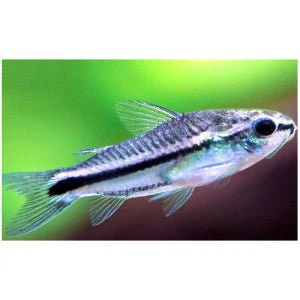
The Pygmy Corydoras is a diminutive freshwater catfish native to the slow-moving tributaries of the Madeira River basin in Brazil. Characterized by its silver body adorned with a distinct horizontal black stripe, this species is renowned for its peaceful nature and active schooling behavior. Unlike many bottom-dwelling catfish, Pygmy Corydoras often swim in the midwater column, adding dynamic movement to nano and community aquariums.
Features
-
Scientific Name: Corydoras pygmaeus
-
Common Names: Pygmy Cory, Pygmy Catfish
-
Size: Up to 3 cm (1.2 inches)
- Size Supplied: ~1cm
-
Lifespan: 3–5 years with proper care
-
Temperament: Peaceful; thrives in groups of 6 or more
-
Diet: Omnivorous – accepts high-quality flake food, micro-pellets, and small live or frozen foods like brine shrimp and daphnia
-
Water Parameters:
-
Temperature: 22–26°C (72–79°F)
-
pH Level: 6.0–8.0
-
Hardness: 2–25 dGH
-
-
Minimum Tank Size: 38 liters (10 gallons).
Why Choose Pygmy Corydoras?
-
Compact Size: Ideal for nano and small community aquariums.
-
Active Schooling Behavior: Best kept in groups, they exhibit lively and synchronized swimming patterns.
-
Peaceful Nature: Suitable for community tanks with other non-aggressive species.
-
Hardy and Adaptable: Suitable for both novice and experienced aquarists due to their resilience and ease of care.
Tank Requirements
-
Substrate: Fine sand to protect their delicate barbels.
-
Decor: Incorporate live plants, driftwood, and rocks to provide hiding spots and reduce stress.
-
Filtration: Efficient filtration system to maintain high water quality; ensure gentle water flow.
-
Lighting: Moderate lighting to enhance their coloration and support plant growth.
-
Tank Cover: Secure lid recommended, as they may jump if startled.
Compatible Tank Mates
Pygmy Corydoras are compatible with other peaceful species, such as:
-
Ember Tetras
-
Rasboras
-
Otocinclus Catfish
-
Dwarf Gouramis
-
Shrimp and Snails.
Avoid housing with aggressive or significantly larger fish that may cause stress or pose a threat.
Feeding Recommendations
-
Staple Diet: High-quality flake food or micro-pellets.
-
Supplementary Foods: Small live or frozen foods like brine shrimp, daphnia, and bloodworms.
-
Feeding Frequency: Once or twice daily; offer only as much as they can consume in 2–3 minutes.
FAQs
Are Pygmy Corydoras suitable for beginners?
Yes, their hardy nature and peaceful temperament make them ideal for novice aquarists.
Can they be kept in outdoor ponds?
They prefer stable, warm temperatures and are best kept in indoor aquariums.
Do they require a heater?
Yes, maintaining a stable temperature between 22–26°C (72–79°F) is ideal.
Are they safe for planted tanks?
Absolutely; they are plant-friendly and may even benefit from the cover provided by aquatic vegetation.
The Pygmy Corydoras is a diminutive freshwater catfish native to the slow-moving tributaries of the Madeira River basin in Brazil. Characterized by its silver body adorned with a distinct horizontal black stripe, this species is renowned for its peaceful nature and active schooling behavior. Unlike many bottom-dwelling catfish, Pygmy Corydoras often swim in the midwater column, adding dynamic movement to nano and community aquariums.
Features
-
Scientific Name: Corydoras pygmaeus
-
Common Names: Pygmy Cory, Pygmy Catfish
-
Size: Up to 3 cm (1.2 inches)
- Size Supplied: ~1cm
-
Lifespan: 3–5 years with proper care
-
Temperament: Peaceful; thrives in groups of 6 or more
-
Diet: Omnivorous – accepts high-quality flake food, micro-pellets, and small live or frozen foods like brine shrimp and daphnia
-
Water Parameters:
-
Temperature: 22–26°C (72–79°F)
-
pH Level: 6.0–8.0
-
Hardness: 2–25 dGH
-
-
Minimum Tank Size: 38 liters (10 gallons).
Why Choose Pygmy Corydoras?
-
Compact Size: Ideal for nano and small community aquariums.
-
Active Schooling Behavior: Best kept in groups, they exhibit lively and synchronized swimming patterns.
-
Peaceful Nature: Suitable for community tanks with other non-aggressive species.
-
Hardy and Adaptable: Suitable for both novice and experienced aquarists due to their resilience and ease of care.
Tank Requirements
-
Substrate: Fine sand to protect their delicate barbels.
-
Decor: Incorporate live plants, driftwood, and rocks to provide hiding spots and reduce stress.
-
Filtration: Efficient filtration system to maintain high water quality; ensure gentle water flow.
-
Lighting: Moderate lighting to enhance their coloration and support plant growth.
-
Tank Cover: Secure lid recommended, as they may jump if startled.
Compatible Tank Mates
Pygmy Corydoras are compatible with other peaceful species, such as:
-
Ember Tetras
-
Rasboras
-
Otocinclus Catfish
-
Dwarf Gouramis
-
Shrimp and Snails.
Avoid housing with aggressive or significantly larger fish that may cause stress or pose a threat.
Feeding Recommendations
-
Staple Diet: High-quality flake food or micro-pellets.
-
Supplementary Foods: Small live or frozen foods like brine shrimp, daphnia, and bloodworms.
-
Feeding Frequency: Once or twice daily; offer only as much as they can consume in 2–3 minutes.
FAQs
Are Pygmy Corydoras suitable for beginners?
Yes, their hardy nature and peaceful temperament make them ideal for novice aquarists.
Can they be kept in outdoor ponds?
They prefer stable, warm temperatures and are best kept in indoor aquariums.
Do they require a heater?
Yes, maintaining a stable temperature between 22–26°C (72–79°F) is ideal.
Are they safe for planted tanks?
Absolutely; they are plant-friendly and may even benefit from the cover provided by aquatic vegetation.
Original: $10.13
-70%$10.13
$3.04Description
The Pygmy Corydoras is a diminutive freshwater catfish native to the slow-moving tributaries of the Madeira River basin in Brazil. Characterized by its silver body adorned with a distinct horizontal black stripe, this species is renowned for its peaceful nature and active schooling behavior. Unlike many bottom-dwelling catfish, Pygmy Corydoras often swim in the midwater column, adding dynamic movement to nano and community aquariums.
Features
-
Scientific Name: Corydoras pygmaeus
-
Common Names: Pygmy Cory, Pygmy Catfish
-
Size: Up to 3 cm (1.2 inches)
- Size Supplied: ~1cm
-
Lifespan: 3–5 years with proper care
-
Temperament: Peaceful; thrives in groups of 6 or more
-
Diet: Omnivorous – accepts high-quality flake food, micro-pellets, and small live or frozen foods like brine shrimp and daphnia
-
Water Parameters:
-
Temperature: 22–26°C (72–79°F)
-
pH Level: 6.0–8.0
-
Hardness: 2–25 dGH
-
-
Minimum Tank Size: 38 liters (10 gallons).
Why Choose Pygmy Corydoras?
-
Compact Size: Ideal for nano and small community aquariums.
-
Active Schooling Behavior: Best kept in groups, they exhibit lively and synchronized swimming patterns.
-
Peaceful Nature: Suitable for community tanks with other non-aggressive species.
-
Hardy and Adaptable: Suitable for both novice and experienced aquarists due to their resilience and ease of care.
Tank Requirements
-
Substrate: Fine sand to protect their delicate barbels.
-
Decor: Incorporate live plants, driftwood, and rocks to provide hiding spots and reduce stress.
-
Filtration: Efficient filtration system to maintain high water quality; ensure gentle water flow.
-
Lighting: Moderate lighting to enhance their coloration and support plant growth.
-
Tank Cover: Secure lid recommended, as they may jump if startled.
Compatible Tank Mates
Pygmy Corydoras are compatible with other peaceful species, such as:
-
Ember Tetras
-
Rasboras
-
Otocinclus Catfish
-
Dwarf Gouramis
-
Shrimp and Snails.
Avoid housing with aggressive or significantly larger fish that may cause stress or pose a threat.
Feeding Recommendations
-
Staple Diet: High-quality flake food or micro-pellets.
-
Supplementary Foods: Small live or frozen foods like brine shrimp, daphnia, and bloodworms.
-
Feeding Frequency: Once or twice daily; offer only as much as they can consume in 2–3 minutes.
FAQs
Are Pygmy Corydoras suitable for beginners?
Yes, their hardy nature and peaceful temperament make them ideal for novice aquarists.
Can they be kept in outdoor ponds?
They prefer stable, warm temperatures and are best kept in indoor aquariums.
Do they require a heater?
Yes, maintaining a stable temperature between 22–26°C (72–79°F) is ideal.
Are they safe for planted tanks?
Absolutely; they are plant-friendly and may even benefit from the cover provided by aquatic vegetation.